Sesame Logo

Get a Saxenda® (liraglutide) prescription online for weight management

Material Timer IconSame-day prescriptions
Material Local Pharmacy IconLocal pharmacy pick-up
Material Cached IconHassle-free Rx refills

Book care online with a Sesame provider and get a Saxenda prescription online if it’s right for you. This medication is a GLP-1 receptor agonist that helps regulate appetite and calorie intake in those who are overweight or obese. Some people reported weight loss after 2 weeks of use, with continued weight loss over several months. Saxenda is sometimes prescribed off-label for metabolic dysfunction-associated steatohepatitis (MASH).

This medication can help you:

  • Lose weight
  • Reduce appetite and cravings
  • Slow down digestion to keep you full

Get started today

Why order a Saxenda (liraglutide) prescription online through Sesame?

About Saxenda (liraglutide)

Learn more about Saxenda, what it’s used to treat, and how to get Saxenda prescribed today.

Start your affordable Saxenda journey with Success by Sesame for just $99/mo.

How to get Saxenda online through Sesame

1
Choose a provider

You can read provider reviews, check prices, and schedule an online appointment with a Sesame provider on our website.

2
Meet with your provider

During a video consultation, you and your provider will discuss your current medications, health history, and weight loss goals to determine if Saxenda is a good option.

3
Get your Saxenda prescription online

If appropriate, you will be issued a Saxenda prescription online that can be sent to a local pharmacy for pickup or to an online pharmacy for home delivery.

Saxenda (liraglutide) possible side effects and safety considerations

Learn about potential side effects and when to seek medical care.

Patients love Sesame

Frequently asked questions

About online Saxenda (liraglutide) prescriptions

Avatar image
Medically reviewed by:Jessica Swirble, PharmD

The price of Saxenda will vary depending on whether you are getting the brand-name or the generic liraglutide. If you are using your insurance, medication costs and coverage vary by plan.

If you are paying cash, Saxenda starts at $1,349 per month. You may also be able to use HSA or FSA funds to pay for your medication.

After an online consultation with a provider, Sesame can provide you with a prescription for Saxenda. This prescription can be sent to your local pharmacy or to an online pharmacy of your choosing.
Saxenda is the brand-name product and contains the active ingredient liraglutide. Liraglutide is also the active ingredient in Victoza, which is approved for type 2 diabetes.

Yes, Saxenda belongs to a class of medications called glucagon-like-peptide-1 (GLP-1) receptor agonists. These medications help manage diabetes and promote weight loss.

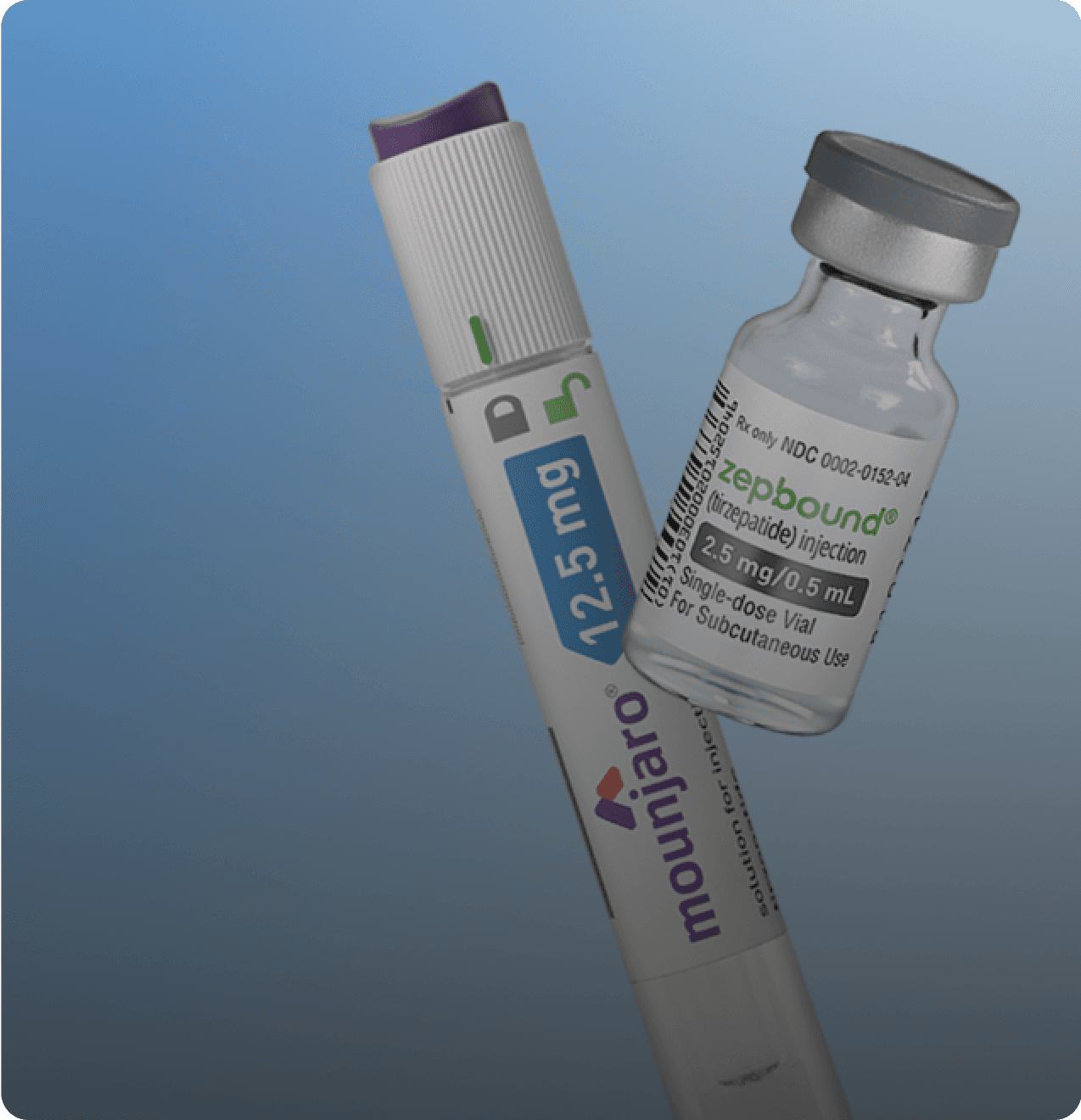
Other GLP-1 medications include:

Saxenda starts to work with the first injection, but you likely won’t see results for several weeks. Your prescriber will gradually increase your dosage each week until you reach the target dose of 3 mg daily. This will allow your body to adjust to the medication and help reduce side effects.

In the Saxenda clinical trials, participants were asked to follow a reduced-calorie diet and exercise at least 150 minutes each week, in addition to using the medication. You may start to see weight loss around 2 weeks, but for some, it may take longer. By 56 weeks of treatment, 56% of people taking Saxenda lost at least 5% of their body weight.

Individual results may vary, but in clinical studies, many people started to lose weight at 2 weeks. Many people went on to lose between 5 to 10% of their body weight over 56 weeks.

Saxenda can cause GI-related side effects, so you should avoid eating foods that could exacerbate this discomfort. This includes spicy foods, high-fat foods, foods high in sugar, and processed foods. You should also limit alcohol and acidic foods such as citrus fruits or tomatoes.

Saxenda can decrease your appetite, so it’s important that when you do eat, you are eating nutrient-dense foods. Be sure to include fruits, vegetables, whole grains, lean protein, and low-fat dairy in your diet. This can help preserve muscle and prevent constipation.

Saxenda may not be safe for everyone. Be sure to tell your healthcare provider about your medical history and all medications you take. If you have any of the following conditions, you should not take Saxenda:

  • Kidney disease
  • Liver disease
  • Family or personal history of medullary thyroid cancer
  • Family or personal history of multiple endocrine neoplasia syndrome type 2 (MEN 2)
  • Gastroparesis (chronic disorder of delayed stomach emptying)
  • History of pancreatitis
  • Pregnancy
  • Breastfeeding

New, used Saxenda pens should be stored in the refrigerator at 36 to 46 degrees Fahrenheit. If kept in the refrigerator, Saxenda pens will last until their expiration date.

Once a pen has been opened and used, it can be stored at room temperature or in the refrigerator for up to 30 days. If you still have medication left in the pen after 30 days, it should be thrown away.

Avoid storing Saxenda in the freezer and keep it away from excess heat or light. Keep all medication out of sight and reach of children and pets.

If you miss a dose of Saxenda, take it as soon as you remember. If it is almost time for your next dose, skip the missed dose and continue with your regularly scheduled dose. Do not take extra doses or double up.

If you have missed more than 3 days of Saxenda, call your provider. You may need to be restarted at the lowest dose to avoid GI upset.

Certain GLP-1 therapies such as semaglutide (the active ingredient in Ozempic, Rybelsus, and Wegovy), liraglutide (the active ingredient in Saxenda and Victoza), and tirzepatide (the active ingredient in Mounjaro and Zepbound) may increase the likelihood of developing thyroid gland tumors, including MTC, a type of thyroid cancer. This conclusion is based on studies where laboratory animals given semaglutide, liraglutide, tirzepatide and other GLP-1 medications developed tumors. However, it is not yet confirmed if these medications pose the same risk to humans. You can find additional information about the risks of FDA-approved medications that contain semaglutide here.

It’s important to inform your doctor if you or any family member has ever had MTC or MEN. If this is the case, your doctor will likely advise against taking GLP-1 medications.

If you are prescribed a GLP-1 medication and exhibit any of the following symptoms, you should contact your provider immediately:

  • A lump or swelling in the neck
  • Hoarseness
  • Difficulty swallowing
  • Shortness of breath
  • Severe abdominal pain

Before taking GLP-1 medications, you should also discuss the following with your provider:

Allergies: Inform your doctor and pharmacist of any allergies you have to semaglutide (including under brand names Ozempic, Rybelsus, Wegovy) or similar medications such as tirzepatide (Mounjaro, Zepbound), dulaglutide (Trulicity), exenatide (Bydureon BCise, Byetta), liraglutide (Saxenda, Victoza, or in Xultophy) and lixisenatide (Adlyxin, or in Soliqua).

Personal and family medical history: Be sure to disclose if you have a history of medical conditions like pancreatitis, diabetic retinopathy, gallbladder disease, kidney disease, or thyroid cancer. Inform your doctor about recent episodes of diarrhea, nausea, vomiting or any inability to consume liquids, which could lead to dehydration.

Current medications and supplements: Provide a comprehensive list of all medicines and supplements you are currently taking, including prescription and nonprescription medicines, vitamins, nutritional supplements, and herbal products. This is crucial as GLP-1 medications can alter how your body absorbs oral medications.

Pregnancy and breastfeeding: Inform your doctor if you are pregnant, breastfeeding, or planning to become pregnant soon.

Surgical procedures: In the event of surgery, including dental procedures, inform the medical or dental professional that you are on GLP-1 medication.

It's essential to thoroughly discuss these risks with your healthcare provider and consider your personal and family medical history when deciding whether to use these medications. Your doctor can provide guidance on the best course of action based on your specific health situation.