Sesame Logo

Get GLP-1 prescriptions online for type 2 diabetes and weight loss

Material Timer Icon

Same-day prescriptions

Material Local Pharmacy Icon

Local pharmacy pick-up

Material Credit Card Icon

Rx discount card available

Managing type 2 diabetes, overweight, and obesity has never been easier or more affordable. Get an online prescription for GLP-1 medication (such as Ozempic or Wegovy) and pick up at your local pharmacy today.

Get started today

Glp-1 overview

Learn more about glp-1, what it's used to treat, and how you can get a glp-1 prescription today.

Start your affordable glp-1 journey with Success by Sesame for just $99/mo.

Enter your email to get 20% off your first appointment.

Here's how Success by Sesame works.

1
Tell us about your weight loss history & goals

Answer a few questions to help us personalize your weight loss program, then choose your Sesame provider.

2
Meet with your Sesame provider

Talk to your provider about your medical history and weight loss goals in a video consult. They'll tailor a treatment plan and order a lab test if metabolic data is needed.

3
Begin treatment

Your provider will prescribe a weight loss medication that's right for you (if appropriate). Sesame will send the medication to your door or preferred pharmacy.

4
Receive ongoing support

Enjoy unlimited provider messaging, follow-up visits, and app features that make it easy to track weight loss, lifestyle goals & side effects.

How glp-1 may affect you

Learn about potential side effects and when to seek medical care.

Patients love Sesame

FAQs

Frequently asked questions about GLP-1 medication

Avatar image
Medically reviewed by:Dr. Allison Edwards, MD

Some common forms of GLP-1 medication are:

  • Semaglutide
  • Tirzepatide (also a GIP medication)
  • Liraglutide

Brand names for semaglutide are:

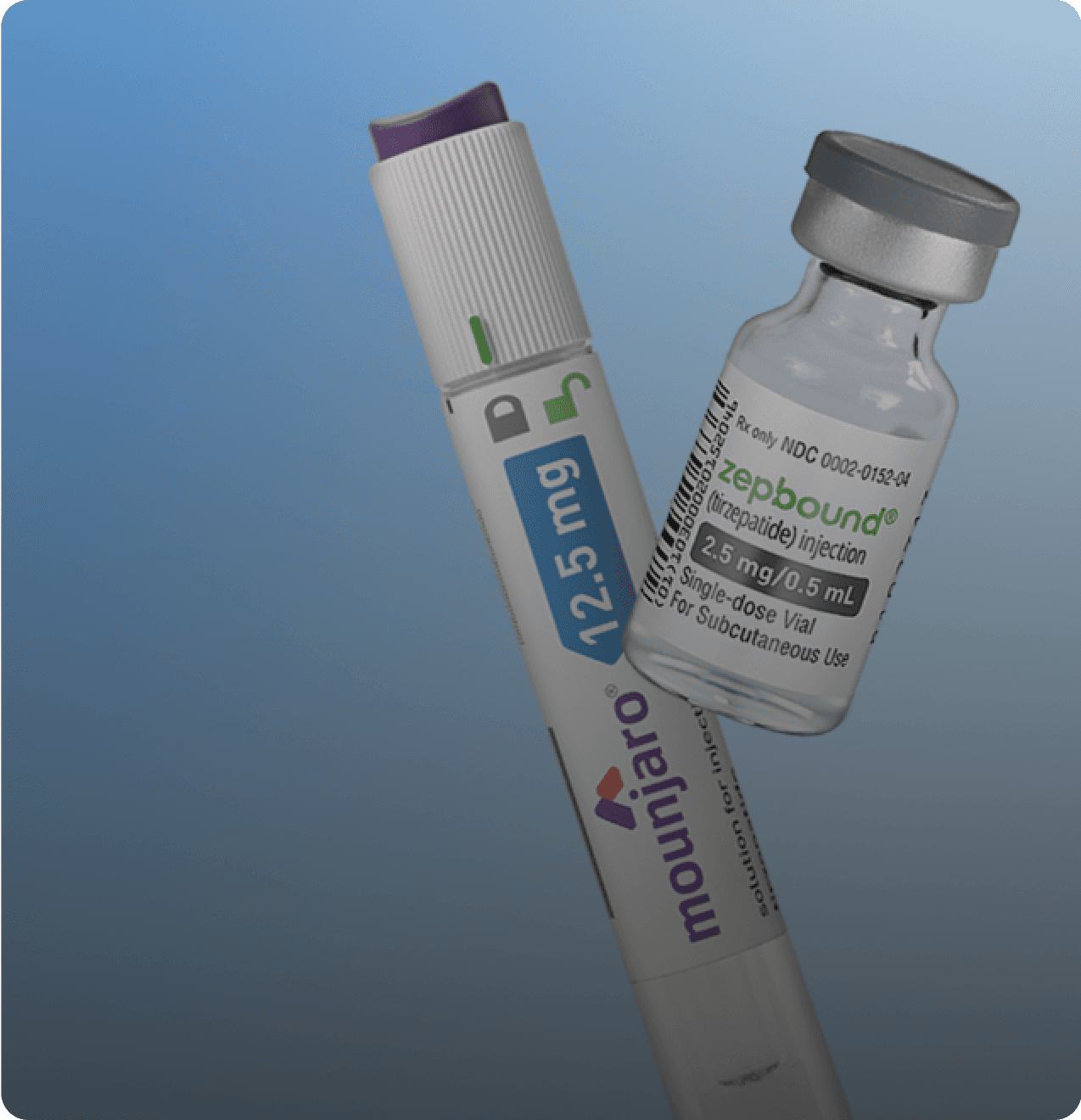
Brand names for tirzepatide are:

Brand names for liraglutide are:

No. GLP-1 medication is currently only available via prescription. This means the use of these drugs must be authorized by a licensed healthcare provider.

Note that all prescriptions are at the discretion of your healthcare provider. Providers on Sesame cannot prescribe controlled substances.

If your current weight is causing health problems, your healthcare provider may suggest the use of a prescription weight loss medication. Clinicians will usually only prescribe them if your body mass index (BMI) is 30 or higher (27 or higher if it's accompanied by weight-related medical conditions such as high blood pressure, heart disease, type 2 diabetes, pre-diabetes, high cholesterol, non-alcoholic fatty liver disease, obstructive sleep apnea, PCOS).

Before you get a weight loss drug prescription, make sure you talk to your doctor about your medical history. This includes any allergies or other conditions that you may have, medicines or supplements that you're currently taking, and whether you are pregnant, breastfeeding, or planning to get pregnant soon.

The Success by Sesame subscription starts at just $99 per month and includes telehealth visits, unlimited messaging, and ongoing clinical care from a provider of your choice. The $99 subscription fee does not include the cost of medication.

It's important to note that brand-name GLP-1 receptor agonist medications can be expensive without insurance coverage. However, many manufacturers offer reduced cash-pay prices for self-pay patients, as well as weight loss medication savings coupons.

If you are insured, your provider can assist with insurance pre-authorization paperwork to help reduce the cost of your medication.

Note that providers on Sesame set their own prices, which means that some providers may offer the service at a higher price.

Certain GLP-1 therapies such as semaglutide (the active ingredient in Ozempic, Rybelsus, and Wegovy), liraglutide (the active ingredient in Saxenda and Victoza), and tirzepatide (the active ingredient in Mounjaro and Zepbound) may increase the likelihood of developing thyroid gland tumors, including MTC, a type of thyroid cancer. This conclusion is based on studies where laboratory animals given semaglutide, liraglutide, tirzepatide and other GLP-1 medications developed tumors. However, it is not yet confirmed if these medications pose the same risk to humans. You can find additional information about the risks of FDA-approved medications that contain semaglutide here.

It’s important to inform your doctor if you or any family member has ever had MTC or MEN. If this is the case, your doctor will likely advise against taking GLP-1 medications.

If you are prescribed a GLP-1 medication and exhibit any of the following symptoms, you should contact your provider immediately:

  • A lump or swelling in the neck
  • Hoarseness
  • Difficulty swallowing
  • Shortness of breath
  • Severe abdominal pain

Before taking GLP-1 medications, you should also discuss the following with your provider:

Allergies: Inform your doctor and pharmacist of any allergies you have to semaglutide (including under brand names Ozempic, Rybelsus, Wegovy) or similar medications such as tirzepatide (Mounjaro, Zepbound), dulaglutide (Trulicity), exenatide (Bydureon BCise, Byetta), liraglutide (Saxenda, Victoza, or in Xultophy) and lixisenatide (Adlyxin, or in Soliqua).

Personal and family medical history: Be sure to disclose if you have a history of medical conditions like pancreatitis, diabetic retinopathy, gallbladder disease or kidney disease. Inform your doctor about recent episodes of diarrhea, nausea, vomiting or any inability to consume liquids, which could lead to dehydration.

Current medications and supplements: Provide a comprehensive list of all medicines and supplements you are currently taking, including prescription and nonprescription medicines, vitamins, nutritional supplements, and herbal products. This is crucial as GLP-1 medications can alter how your body absorbs oral medications.

Pregnancy and breastfeeding: Inform your doctor if you are pregnant, breastfeeding, or planning to become pregnant soon.

Surgical procedures: In the event of surgery, including dental procedures, inform the medical or dental professional that you are on GLP-1 medication.

It's essential to thoroughly discuss these risks with your healthcare provider and consider your personal and family medical history when deciding whether to use these medications. Your doctor can provide guidance on the best course of action based on your specific health situation.