5 Ways to Get Rid of a UTI Quickly


Urinary tract infections (UTIs) are common and uncomfortable infections. Nearly one-half of all women will deal with a UTI at some point in their lives. So will 12% of men.
UTIs are responsible for about 8 million doctor visits every year. While these infections are easily treatable, they can cause painful and uncomfortable symptoms, like persistent stinging during a bathroom trip or the frustrating, constant urge to go when you’ve only just finished. When left untreated, they can lead to serious medical complications like sepsis.
If you’re experiencing symptoms or early warning signs of a UTI, read on. We’ve compiled some quick facts about UTIs and six tips to help get rid of one fast.
What is a UTI, and how do you know if you have one?
A urinary tract infection (UTI) is a type of bacterial infection. A UTI can occur in any part of the urinary system which includes your kidneys, ureters, bladder, and urethra.
You may have a UTI if you’re experiencing any of the following symptoms:
- Sharp, burning pain when you pee
- An urgent and frequent need to go to the bathroom, often resulting in just a few drops of urine
- Cloudy or hazy urine
- Visible blood in the urine which may appear scarlet, bright pink, or cola-colored
- Pressure or cramping in the groin or lower abdomen
- Lower back pain
If you have these symptoms, it’s important to speak with a healthcare provider right away. They can confirm if if you are dealing with a UTI as opposed to another condition that may cause similar symptoms, like an STI or kidney infection.
5 ways to get rid of a UTI fast
Urinary tract infections cause symptoms like other infections, such as a bladder infection. If you notice any of the symptoms listed here, talk to a healthcare professional immediately. Early treatment of UTIs can help reduce symptoms and prevent further complications.
1) Get a prescription for antibiotics
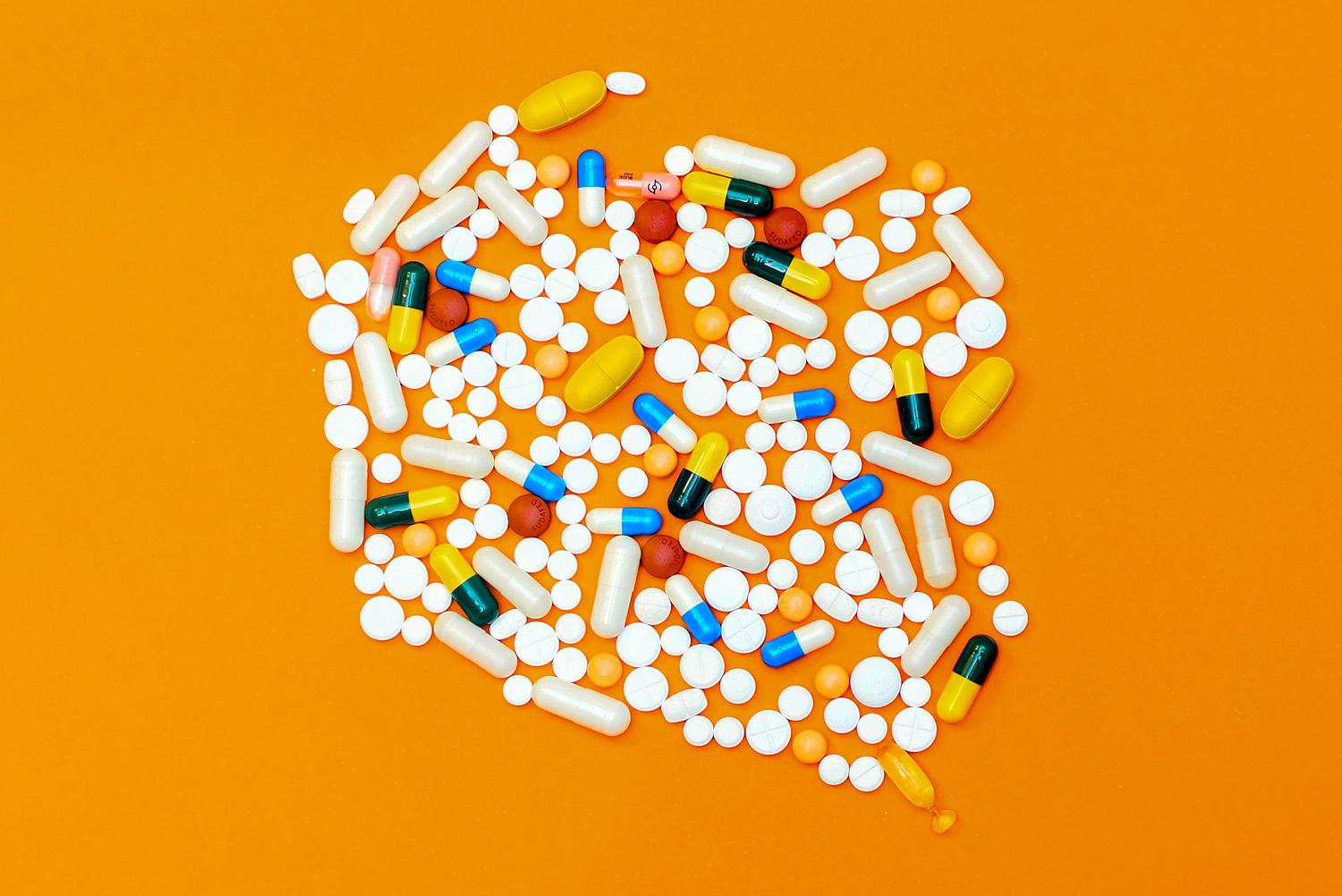
Antibiotics are the fastest and only FDA-approved way to get rid of a UTI. They work to kill the bacteria that are causing the infection, rather than just masking your symptoms.
Common antibiotic medications used for UTI treatment include Nitrofurantoin (generic Macrobid) and Trimethoprim-sulfamethoxazole (generic Bactrim). With antibiotic treatment, you start feeling better soon after starting medication. Most uncomplicated UTIs will go away in days.
Antibiotics require a prescription from a healthcare provider. If you need to speak with someone quickly, telehealth platforms like Sesame can connect you to a provider within minutes.
During a telehealth visit, your provider may be able to diagnose a UTI from a description of your symptoms and prescribe medication if it’s right for you. They can then send your Rx to your preferred pharmacy, so you can pick it up and start treatment as quickly as possible.
In some cases, UTIs must be diagnosed via a urine test at a medical facility (such as a clinic or lab). If this is the case, your provider will discuss the next steps with you.
Some antibiotics have been shown to cause some mild side effects, including nausea, diarrhea, and skin rash. If these symptoms get bad or your UTI doesn’t improve after a few days of antibiotics, your doctor may recommend an in-person visit in order to collect a urine sample.
2) Drink lots of water
It may sound like a simple home remedy, but drinking plenty of water helps flush harmful bacteria from the urinary tract. The longer urine hangs out in the bladder, the more bacteria can populate and make an existing infection worse.
Water can also help dilute the urine in your bladder, reducing symptoms of burning and stinging during bathroom trips. Drink 2-3 liters (about 8-12 cups) of water daily to flush bacteria from the urinary system.
Good hydration can also help prevent UTIs from occurring in the first place, especially in women who drink very little and suffer from recurrent UTI. Peeing often helps clear the bladder and urinary tract of harmful organisms, making infection less likely to occur. Carry a water bottle with you during the day to ensure you get enough water.
3) Use over-the-counter medicine for pain
While you wait for antibiotics to kick in, over-the-counter medication like ibuprofen and acetaminophen can relieve discomfort. Though they may have some side effects like nausea and heartburn, the reactions are usually short and mild. Talk to your doctor if you have ongoing side effects from OTC medication. You should get medical attention right away if a reaction becomes severe.
It’s important to note that while OTC pain medications can help reduce UTI symptoms, they do not treat the infection. You should not use OTC pain relievers as a treatment for UTIs and only use them to supplement a course of antibiotic medicine.
4) Practice good hygiene
When you’re dealing with an active infection, the goal is to stop more bacteria from entering the system. That’s why good hygiene can keep the infection from worsening. This also means avoiding diaphragms, vaginal sponges, sex toys, douches and harsh scented cleansers if you are at high risk of a UTI.
On top of that, women should always wipe front to back to avoid bacteria from the anus coming into contact with the vaginal area. Emptying the bladder after sex may prevent the development of UTIs.
5) Practice self-care
Fighting an infection requires energy. While a UTI won’t spread through a toilet seat, the body still needs rest to fight the infection. That’s why it’s recommended to take a sick day when you feel the symptoms of a UTI.
While they rest, some patients find relief by applying a heating pad on the lower stomach. On top of that, you can take vitamin C to help boost the function of your immune system. While no evidence suggests that vitamin C cures infection or speeds healing, it can help your immune system fight illness. It can also make the urine less acidic which can soothe pain when urinating.
This kind of self-care can reduce symptoms and prevent more infections, but it’s important to remember that antibiotic treatment is the only surefire and FDA-approved method of treating a urinary tract infection.
Next Steps
The only way to get rid of a UTI completely and fast is through antibiotic treatment prescribed by a licensed healthcare provider. While natural remedies such as vitamin C and cranberry products may help reduce symptoms, medication is needed to neutralize harmful bacteria and prevent further complications.
If you need to get rid of a UTI fast, book a telehealth appointment to talk to a healthcare provider within the day. Urologists and primary care providers may require you to book an in-person appointment days or weeks in advance. Urgent care clinics have long wait times. Skip the stress and book an online doctor appointment to get seen right away and start your treatment.
How Sesame can help with UTI treatments
Looking to talk to a healthcare provider now? Book a video UTI visit on Sesame right away to discuss your symptoms with a provider, all from the comfort of your home.
When appropriate, providers on Sesame can write prescriptions and arrange for the medicine to be delivered to your home or be ready for same-day pickup at a pharmacy of your choice. These prescriptions often cost 60% less than a prescription ordered through an insurance network. Book an online visit on Sesame for affordable and convenient care right away.
UTIs FAQs
Which antibiotic gets rid of a UTI the fastest?
While the speed of the healing process depends on the specific strain of bacteria, medical professionals usually point to Nitrofurantoin (generic Macrobid) and Trimethoprim-sulfamethoxazole (generic Bactrim).
These medications concentrate specifically in the urinary tract rather than the whole body. That way they can attack the infection immediately. Most patients experience relief within 24 to 48 hours of their first dose.
How do I get rid of a UTI without seeing a doctor?
Medication is almost always required in order to treat a UTI but you can take proactive steps at home if you feel a UTI coming on. At-home UTI test strips are a way to check for markers in the urine that may indicate a UTI. Once a test indicates a potential infection, speaking to a healthcare professional is the best way to take care of the UTI.
Can home remedies quickly treat a UTI?
Home remedies may relieve the symptoms of a UTI, but they do not treat the underlying cause. A heating pad, for example, can help reduce cramping and over-counter-medicine can reduce the burning sensation while peeing. Still, antibiotics are the only proven cure for UTIs.
Is cranberry juice a natural cure for urinary tract infections?
The relationship between cranberry juice and UTIs is often misunderstood. While many reach for a glass hoping it will cure an active infection, research suggests its true power lies in prevention rather than treatment. Specific compounds found in cranberries help coat the bladder wall, which can prevent bacteria from latching on and multiplying. However, cranberry juice and concentrated cranberry products are not adequate treatments for an existing UTI. If your symptoms are already severe, it is important to speak with a doctor, as these supplements are most effective when used as a preventative measure rather than a cure.