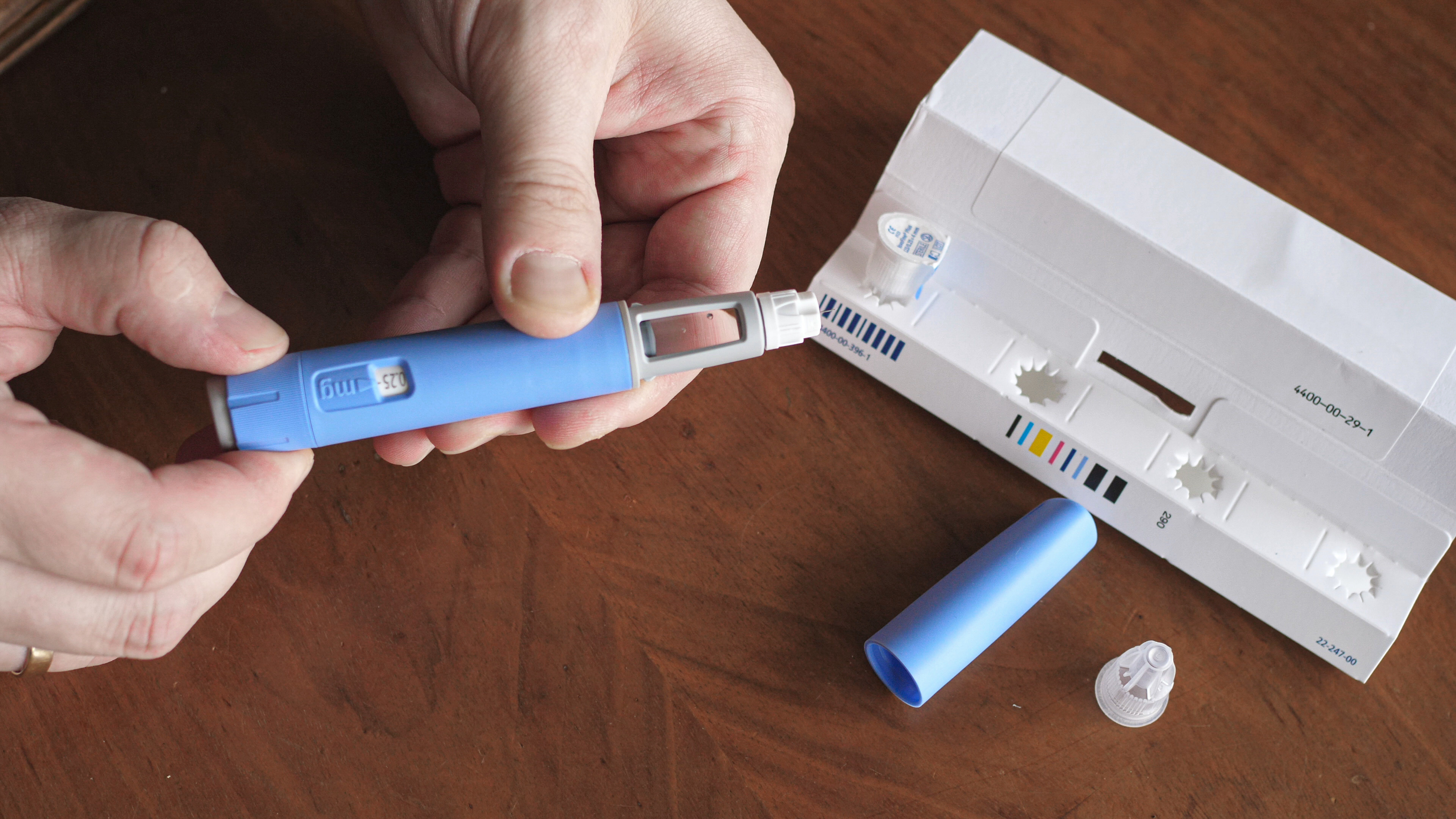
Semaglutide (Ozempic and Wegovy) Constipation: Causes and Treatment Options for Relief


Key Takeaways
- Constipation is a common side effect of semaglutide medications like Ozempic, Wegovy, and Rybelsus.
- In clinical trials, constipation lasted an average of 6 weeks.
- Drinking more fluids, increasing your fiber intake, exercising, and reducing your semaglutide dosage may help relieve constipation.
- Consider getting medical advice if your constipation doesn’t get better with lifestyle changes or over-the-counter laxatives or stool softeners.
Semaglutide is a prescription medication that belongs to a group of drugs called glucagon-like peptide-1 (GLP-1) receptor agonists. Among the most commonly prescribed semaglutide medications are Ozempic (FDA-approved for type 2 diabetes) and Wegovy (FDA-approved for weight loss).
One of the most common side effects of semaglutide is constipation, affecting about 3% to 24% of people who use the medication. It stems from stool moving too slowly through your bowels, causing difficult bowel movements, bloating, and gas.
Why does semaglutide cause constipation?
Semaglutide mimics a natural hormone that slows down how fast your stomach pushes food through your digestive system (gastric emptying) and reduces overall intestinal movement. While this mechanism is exactly what helps you feel full longer and prevents blood sugar spikes, it can also lead to constipation for two primary reasons:
- Not enough fluid intake: When you feel full, you tend to drink less water. To stay hydrated, your body absorbs fluids from the food and waste in your intestines. This can dry out your stools, which makes them harder and more painful to pass. The longer the waste stays in your body, the more constipated you feel.
- Reduced fiber intake: Because semaglutide significantly reduces your appetite, you will naturally eat smaller portions of food. This often means that you are getting less fiber from your daily diet. Fiber helps to soften and add bulk to your stools, so getting less fiber can make them harder to pass.
What are the best treatments for constipation caused by semaglutide?
Some simple lifestyle adjustments, over-the-counter laxatives, and stool softeners can provide relief if you have constipation from semaglutide.
Easy-to-implement changes for constipation relief
Staying hydrated, getting more fiber, and staying active are just a few of the lifestyle changes that can help to relieve semaglutide constipation:
- Drink plenty of fluids: According to the National Academy of Medicine, women should drink about 9 cups (72 oz) of fluids a day. Men should aim for around 13 cups (104 oz). Be sure to drink more fluids than usual if you’re working out or if you are in a high-temperature environment.
- Increase your fiber intake: Eating more fiber can help prevent and relieve constipation, bloating, and other gastrointestinal (GI) issues caused by semaglutide. Fresh fruits, vegetables, whole grains, and legumes are great options, with prunes, raspberries, broccoli, lentils, and whole-grain pasta being especially fiber-rich. Over-the-counter supplements like psyllium (Metamucil) can also help.
- Keep your body moving: Physical activity stimulates the natural contractions of your intestines, helping to push waste through your digestive tract. Consider doing yoga, cardio, or another activity that you enjoy to stay active.
- Discuss a lower dose: Some studies suggest that constipation is more common at higher doses of semaglutide. If your symptoms started right after stepping up to a new dose, talk to your provider. They may suggest staying at your current dose for an extra few weeks to let your body adjust, or temporarily stepping back down to a lower, more comfortable dose.
Over-the-counter medications for constipation
Over-the-counter (OTC) laxatives and stool softeners can relieve semaglutide constipation quickly, and they’re affordable and easy to get at most pharmacies.
However, these treatments aren’t for long-term use. Your body can start to rely on them, which can cause long-term constipation. Stop taking laxatives as soon as you have a bowel movement, and avoid taking laxatives for more than a week at a time.
Some short-term OTC laxatives and stool softeners include:
- Bisacodyl (Dulcolax):Bisacodyl triggers the muscles in your intestines to help you pass bowel movements.
- Docusate (Colace):Docusate is a stool softener that helps mix fluids into your waste, making it softer and easier to pass.
- Magnesium hydroxide (Phillips’ Milk of Magnesia): This laxative draws water directly into the bowel to loosen stools, typically producing a bowel movement within 30 minutes to 6 hours.
- Polyethylene glycol (MiraLAX): This highly common option is designed to retain moisture in your colon to ease sluggish bowel movements.
- Sennosides (Senna): This laxative activates the nerve endings in your colon to force muscle contractions.
Prescription options for constipation from Ozempic
If your constipation does not improve with lifestyle changes or OTC solutions, talk to your healthcare provider. They can evaluate your symptoms, adjust your semaglutide dosage, or write a prescription for targeted medications.
Prescription medications for constipation include:
- Lactulose (Constulose): The laxative Lactulose pulls water into the lower bowel to soften hard, dry stools.
- Linaclotide (Linzess):Linaclotide increases fluid levels in the gut to accelerate bowel movements.
- Lubiprostone (Amitiza):Lubiprostone signals the walls of your intestines to actively pump out fluid, washing the stool forward.
- Prucalopride (Motegrity): A medication that stimulates receptors in the gut to increase muscle contractions and accelerate bowel movements.
If you’re prescribed laxatives, be sure to discuss risks and drug interactions with your provider. Using prescription laxatives for long periods can cause dehydration, reliance on the medication, and other GI side effects like abdominal pain and bloating.
How common is constipation with semaglutide?
During Ozempic clinical trials for type 2 diabetes treatment, constipation was a side effect reported by 3% to 5% of participants. However, constipation may be more common for people taking semaglutide for weight loss. About 24% of study participants reported constipation while taking Wegovy, which is FDA-approved specifically for weight loss.
Other research suggests that GI side effects from Ozempic may depend on your dosage. The higher the dose of semaglutide, the more it impacts your stomach function, leading to higher chances of nausea, diarrhea, or constipation.
How long does semaglutide-induced constipation last?
Semaglutide-induced constipation lasts an average of 6 weeks, according to one large study. It is usually temporary, often happens when you increase your dose, and becomes less intense as your body gets used to it.
Clinical studies show that the risk of constipation remains the same across both Ozempic and Wegovy, regardless of whether you use the weekly injection or the daily oral tablet.
When to see a doctor about constipation on semaglutide
Talk to your healthcare provider if your constipation lasts more than two weeks and fails to improve with lifestyle changes or OTC treatments. They may suggest different constipation medications or reassess your semaglutide treatment.
Seek medical advice immediately if you notice any of the following rare but serious side effects of semaglutide:
- Severe abdominal pain or cramping
- Significant pain during bowel movements
- Blood in your stool
- Persistent nausea and vomiting
- Vomit that contains blood or that looks like coffee grounds
The FDA has also noted some other possible side effects and risks associated with semaglutide. These include low blood sugar (hypoglycemia), pancreatitis, and worsening of diabetic retinopathy.
Speak to your medical provider right away if you notice changes to your vision, severe pain in your upper abdomen, paleness or shakiness, or a racing heartbeat while on semaglutide.
Frequently asked questions
Can constipation cause weight gain?
No. Constipation on its own does not cause lasting weight gain. You might see a temporary increase on the scale because of accumulated stool, water, and food in your gut. This is not an increase in body fat and your weight should return to baseline once your bowel movements resume.
How do you prevent constipation on semaglutide?
You can prevent constipation on semaglutide by drinking plenty of fluids and exercising regularly. Eat a healthy amount of fiber and avoid very high-fat meals.
Starting at a lower semaglutide dose also helps your body adjust. Ask your provider about adjusting your dosage if you are concerned.
Can you take laxatives while on semaglutide?
Yes. OTC laxatives, stool softeners, and fiber supplements can safely relieve your constipation while on semaglutide. Your provider can advise you on different options, and if appropriate, they can prescribe you prescription laxatives.
Do other weight loss medications cause constipation?
Tirzepatide (Mounjaro, Zepbound) and liraglutide (Victoza, Saxenda) are two other GLP-1 weight loss medications that can cause constipation.
Phentermine–topiramate (Qsymia) and bupropion-naltrexone (Contrave) are also linked to constipation, but less often than with semaglutide, tirzepatide, and liraglutide.
How Sesame can help with your weight loss journey
Whether you're taking semaglutide to manage diabetes or weight loss, Sesame offers comprehensive support to help you succeed, including constipation relief and weight management.
Success by Sesame is an online weight loss program that includes a video visit with a healthcare provider of your choice, GLP-1 agonist medication prescriptions (if appropriate), unlimited messaging with your provider, and ongoing support.
Weight loss results aren’t just something you see—they’re something you feel. Maintaining a healthy weight can have important benefits like a lower risk of heart disease, better mobility, sleep, and well-being. Start your weight loss journey today. Note that all prescriptions are at the discretion of your healthcare provider.