

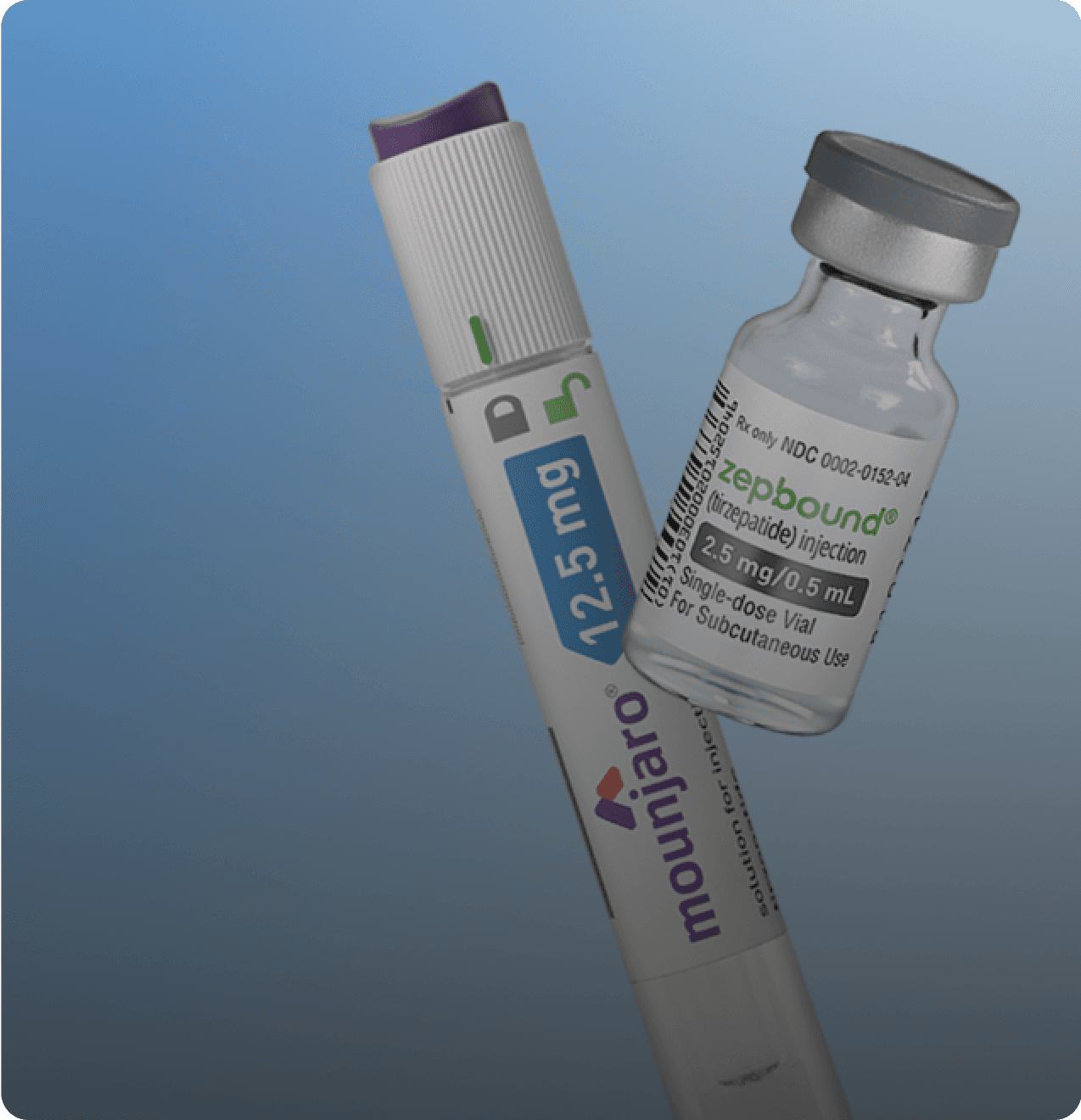


Certain GLP-1 therapies such as semaglutide (the active ingredient in Ozempic, Rybelsus, and Wegovy), liraglutide (the active ingredient in Saxenda and Victoza), and tirzepatide (the active ingredient in Mounjaro and Zepbound) may increase the likelihood of developing thyroid gland tumors, including MTC, a type of thyroid cancer. This conclusion is based on studies where laboratory animals given semaglutide, liraglutide, tirzepatide and other GLP-1 medications developed tumors. However, it is not yet confirmed if these medications pose the same risk to humans. You can find additional information about the risks of FDA-approved medications that contain semaglutide here.
It’s important to inform your doctor if you or any family member has ever had MTC or MEN. If this is the case, your doctor will likely advise against taking GLP-1 medications.
If you are prescribed a GLP-1 medication and exhibit any of the following symptoms, you should contact your provider immediately:
- A lump or swelling in the neck
- Hoarseness
- Difficulty swallowing
- Shortness of breath
- Severe abdominal pain
Before taking GLP-1 medications, you should also discuss the following with your provider:
Allergies: Inform your doctor and pharmacist of any allergies you have to semaglutide (including under brand names Ozempic, Rybelsus, Wegovy) or similar medications such as tirzepatide (Mounjaro, Zepbound), dulaglutide (Trulicity), exenatide (Bydureon BCise, Byetta), liraglutide (Saxenda, Victoza, or in Xultophy) and lixisenatide (Adlyxin, or in Soliqua).
Personal and family medical history: Be sure to disclose if you have a history of medical conditions like pancreatitis, diabetic retinopathy, gallbladder disease, kidney disease, or thyroid cancer. Inform your doctor about recent episodes of diarrhea, nausea, vomiting or any inability to consume liquids, which could lead to dehydration.
Current medications and supplements: Provide a comprehensive list of all medicines and supplements you are currently taking, including prescription and nonprescription medicines, vitamins, nutritional supplements, and herbal products. This is crucial as GLP-1 medications can alter how your body absorbs oral medications.
Pregnancy and breastfeeding: Inform your doctor if you are pregnant, breastfeeding, or planning to become pregnant soon.
Surgical procedures: In the event of surgery, including dental procedures, inform the medical or dental professional that you are on GLP-1 medication.
It's essential to thoroughly discuss these risks with your healthcare provider and consider your personal and family medical history when deciding whether to use these medications. Your doctor can provide guidance on the best course of action based on your specific health situation.
